Building Stronger Aquatic Futures: Reflections from the India–Australia Drowning Prevention and Aquatic Exchange
Strengthening international partnerships, sharing expertise and exploring new opportunities to improve water safety and aquatic participation.
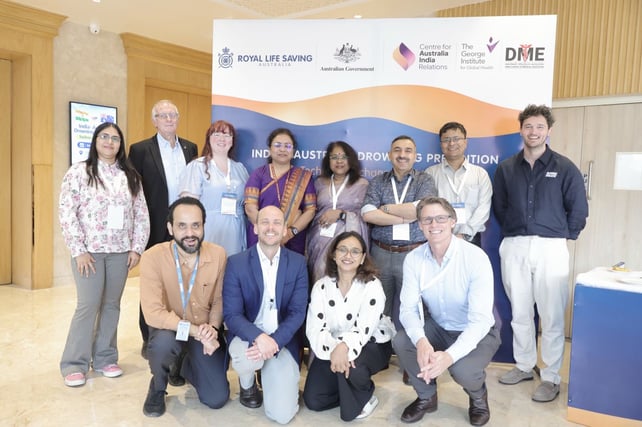
From 25 October to 31 October, AUSTSWIM International Manager, Kaitlin Preston-Hele, had the opportunity to represent AUSTSWIM in India as part of the India–Australia Drowning Prevention Technical Exchange, followed by a series of industry visits, program observations and an aquatic pathways panel in Bengaluru.
The visit brought together representatives from Australia and India across drowning prevention, government, research, emergency response, education and the aquatic industry. It provided an opportunity to share knowledge, explore challenges and identify how both countries can work together to strengthen water safety and build more sustainable aquatic ecosystems.
While Australia and India operate within very different environments, one message remained consistent throughout the visit: preventing drowning and creating opportunities for people to safely enjoy the water requires collaboration, education and investment in people.
Working together to prevent drowning
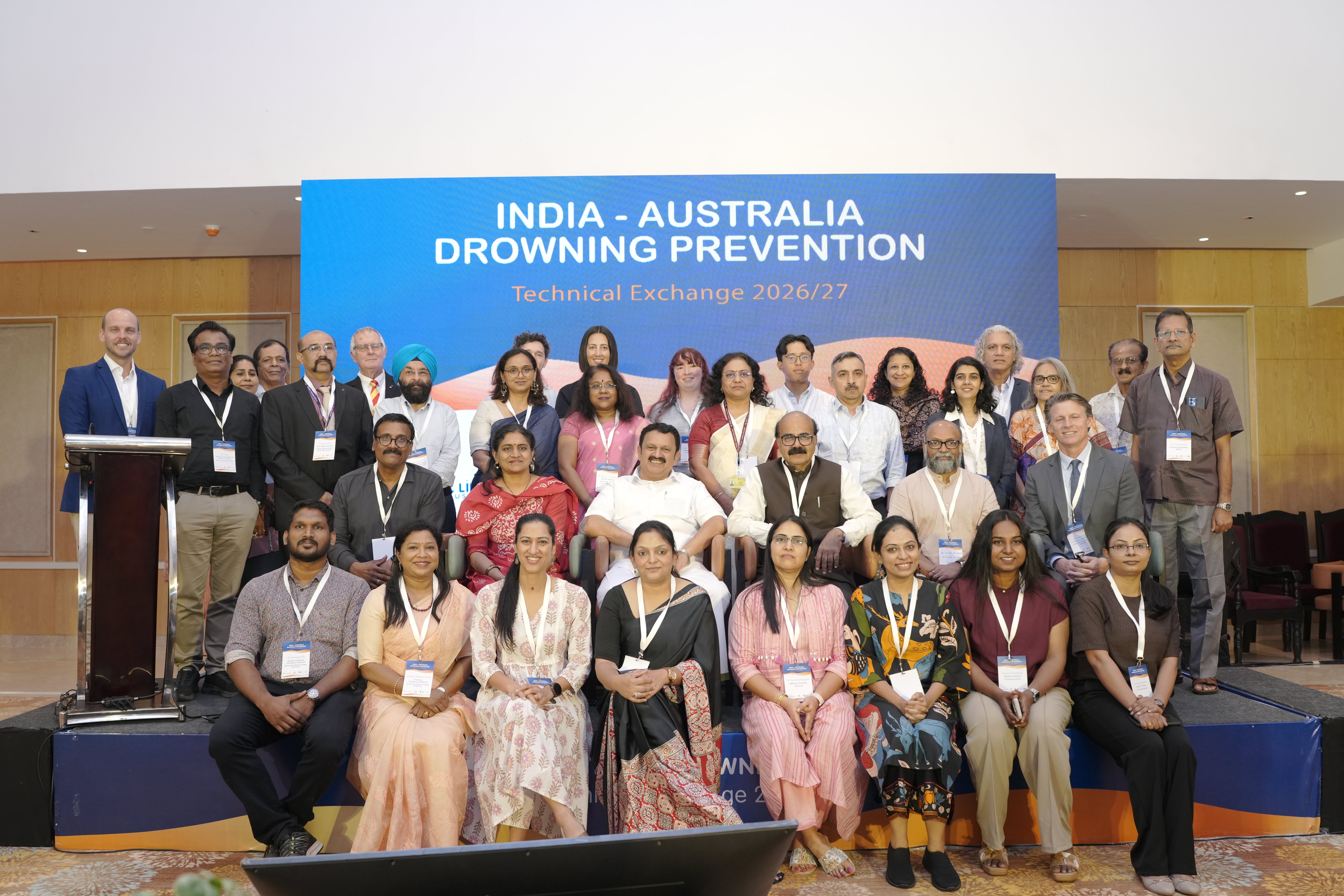
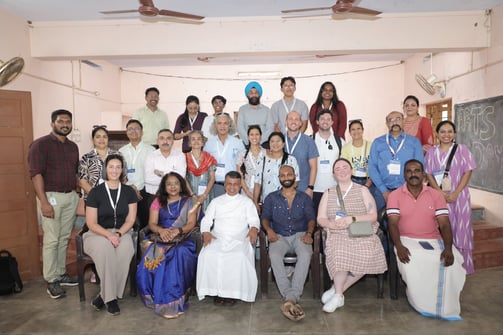
The first part of the visit took place in Kerala, where the India–Australia Drowning Prevention Technical Exchange brought together experts and organisations to explore the challenges and opportunities associated with drowning prevention.
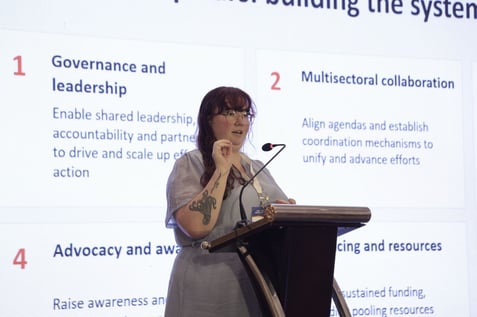
Across three days, discussions focused on several key areas, including drowning data and surveillance, multisectoral collaboration, strategic research and innovation, policy development, advocacy and community awareness.
A particularly important theme was the need to recognise drowning prevention as a shared responsibility. Governments, health departments, education providers, emergency services, tourism operators, community organisations and the aquatic industry all have an important role to play.
The exchange also highlighted the importance of understanding the broader impact of drowning. Beyond the immediate loss of life, drowning has significant consequences for families and communities, including economic hardship, long-term health impacts and trauma.
One of the strongest messages shared throughout the conference was that every avoided drowning is a family kept whole.
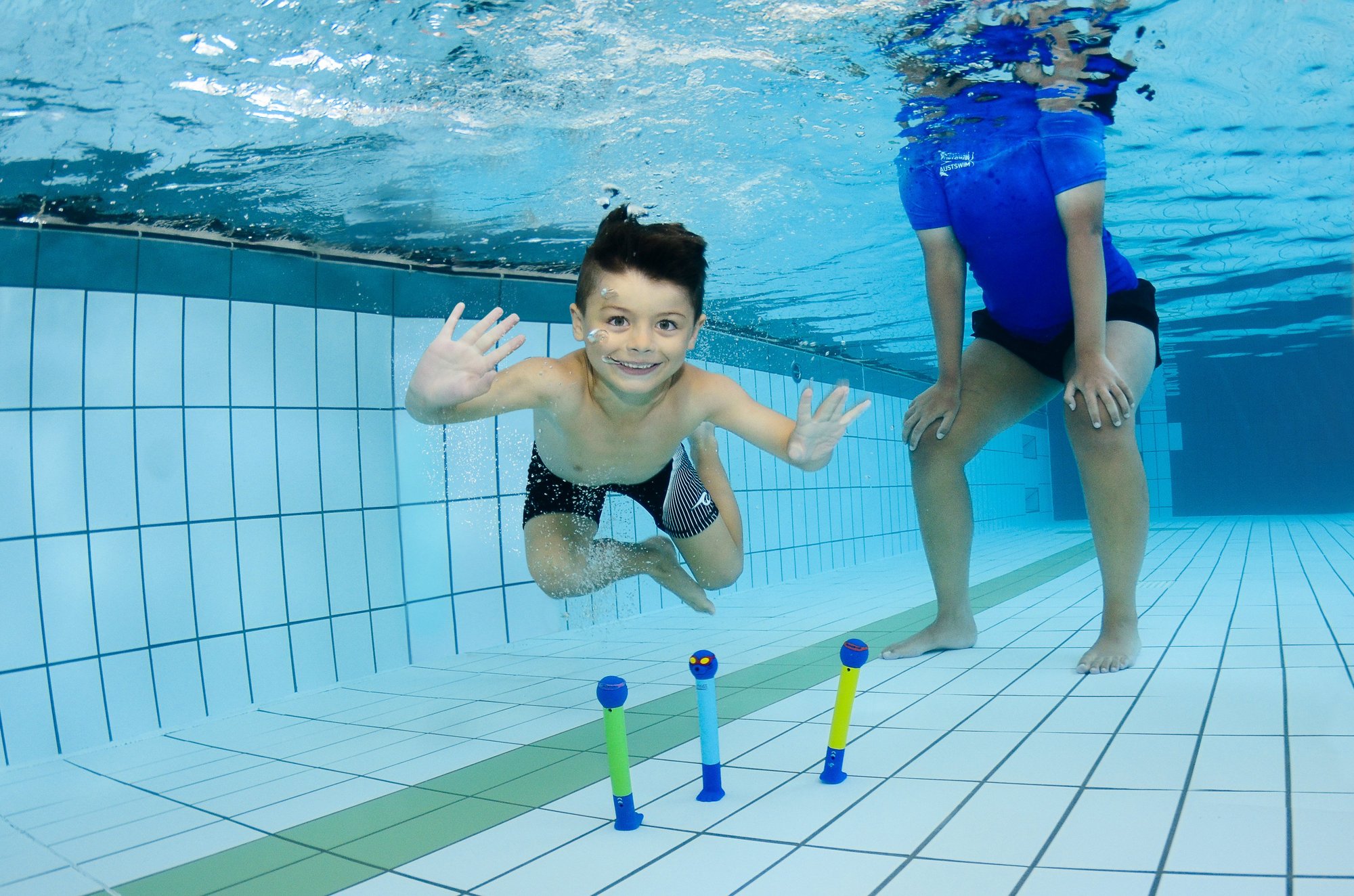
For AUSTSWIM, these discussions reinforced the importance of swimming and water safety education as an essential life skill, and the role qualified teachers play in creating safer communities.
Learning from local communities and innovative approaches
An important component of the exchange was the opportunity to move beyond conference discussions and see drowning prevention initiatives in practice.
Visits to the Kerala State Disaster Management Authority and Apex Trauma and Emergency Learning Centre provided valuable insight into India's emergency management and response capabilities.
At the disaster management centre, we explored the systems used to monitor potential emergencies, coordinate responses and distribute alerts to communities. The centre demonstrated how technology and coordinated emergency planning can support communities during natural disasters and flooding.
At the Apex Trauma and Emergency Learning Centre, we experienced the practical training undertaken by emergency responders, medical professionals and other frontline personnel through realistic simulation-based scenarios.
Perhaps one of the most memorable experiences was meeting with local fisherfolk to better understand the daily risks they face working on the water.
Many fisherfolk explained that wearing lifejackets can interfere with their ability to carry out their work, despite the significant risks associated with working in open water. Kaitlin also heard about the devastating 2018 Kerala floods, including stories of community members travelling significant distances to rescue hundreds of people stranded by floodwaters.
These conversations reinforced the importance of developing water safety solutions that are practical, accessible and designed around the needs of the communities they aim to protect.
Education and safety initiatives cannot simply be transferred from one environment to another. They must be developed with local knowledge, cultural understanding and the realities of everyday life in mind.
Exploring India's aquatic landscape
Following the technical exchange in Kerala, Kaitlin travelled to Bengaluru to explore India's broader aquatic landscape, including learn-to-swim programs, competitive swimming facilities and opportunities for future collaboration.
The site visits provided a fascinating insight into the diversity of aquatic participation and development across India.
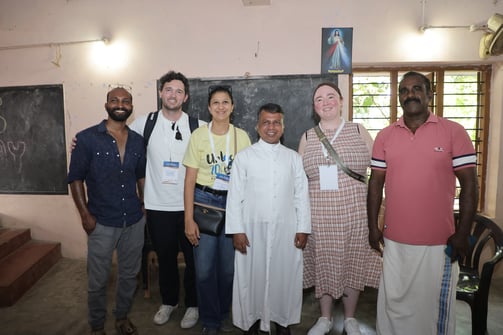
One of the most memorable visits was to a learn-to-swim program operating within a traditional temple pond in Kerala. The large pond provided a unique learning environment, with programs catering to younger swimmers, teenagers and developing athletes. The facility also demonstrated the resourcefulness of local communities, with water polo equipment constructed using repurposed fishing nets and everyday materials.
In Bengaluru, we visited several established aquatic facilities, including the Centre for Sports Excellence, Dolphin Aquatics, Ripples Swim School and Basavanagudi Aquatic Centre. These visits highlighted the ambition and enthusiasm within India's aquatic industry, from grassroots learn-to-swim programs through to high-performance swimming and Olympic pathways.
It was particularly encouraging to visit Ripples Swim School, operated by Swimming Matters, where all teachers were either already AUSTSWIM qualified or undertaking their AUSTSWIM training. The school also promotes inclusion through its Swimming for All initiatives, alongside a strong focus on encouraging more women to participate in swimming and pursue careers within the aquatic industry.
The visits also highlighted some of the challenges facing the sector, including access to qualified teachers, infrastructure limitations and the need to maintain appropriate safety and supervision standards as programs grow.
For AUSTSWIM, these observations reinforced the importance of supporting the development of a capable, confident and professionally recognised aquatic workforce.
Representing AUSTSWIM at the Australian Consulate-General in Bengaluru
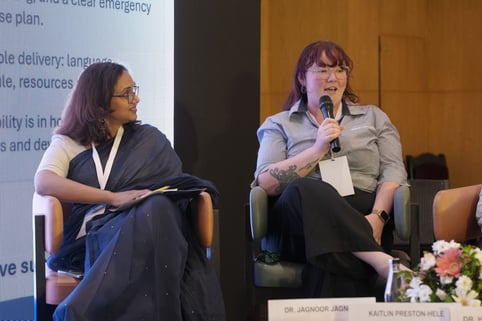
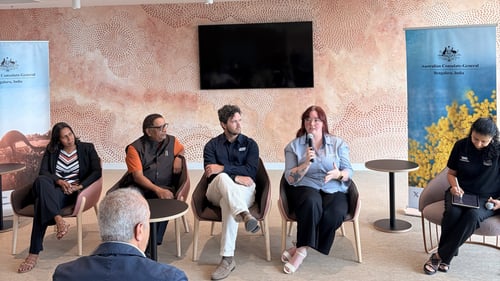
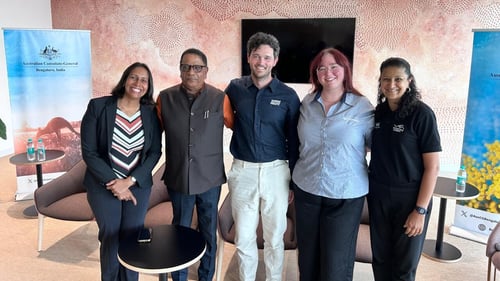
A highlight of the visit was participating in the Australia–India Aquatic Pathways: From Participation to Performance panel at the Australian Consulate-General in Bengaluru on 30 October.
Coordinated by Swimming Matters, the event brought together key stakeholders from both countries to discuss the future of aquatics, exploring everything from teacher education and participation through to infrastructure, athlete development and high-performance pathways.
Kaitlin contributed to discussions around the foundations of a quality aquatic workforce and the opportunities for India to strengthen its swimming and water safety education systems.
Drawing on AUSTSWIM's more than 45 years of experience in teacher education, Kaitlin highlighted three essential building blocks of a quality aquatic workforce:
- Quality teacher education and standards: Establishing consistent qualifications and professional standards that provide teachers with the knowledge and skills required to deliver safe, effective swimming and water safety education.
- Continuous professional development: Recognising that qualification is only the beginning, with ongoing learning essential to maintaining teaching standards and developing workforce capability.
- Child safeguarding and safety: Ensuring that every child can participate in aquatic education within an environment where their physical and emotional safety is protected.
Kaitlin also identified multisectoral collaboration as one of India's greatest opportunities. Bringing together government, sporting federations, education providers, swim schools, teachers and community organisations can help create a more coordinated and accessible aquatic ecosystem.
When discussing what Australia could learn from India, she highlighted the importance of embracing different approaches to participation, particularly India's experience working across diverse languages and cultures. There are valuable opportunities for Australia to continue strengthening its engagement with multicultural communities and making aquatic education more accessible.
Looking towards 2030, Kaitlin's message was simple: stronger collaboration across sectors, communities and cultures will be essential to achieving meaningful and sustainable progress.
From participation to performance
The Bengaluru program also provided an opportunity to explore India's competitive swimming environment and the pathways available to developing athletes.
A discussion with representatives from Swimming Australia, the Swimming Federation of India and India's high-performance sporting sector explored the importance of long-term athlete development, coaching investment and creating stronger connections between learn-to-swim programs, school participation and competitive swimming.
The delegation also attended the fifth edition of the Nettakallappa Swimming Championship, which showcased the talent and enthusiasm within India's competitive swimming community. The event was a fantastic example of how competitions can create opportunities for athletes, coaches and organisations to connect, while inspiring the next generation of swimmers.
As one of AUSTSWIM's established training venues, it was a great reminder of the longstanding relationships and partnerships that continue to support our international delivery.
Strengthening the Australia–India relationship
Throughout the visit, one of the most significant takeaways was the opportunity for Australia and India to learn from one another.
Australia has a well-established aquatic education and drowning prevention landscape, supported by recognised qualifications, professional standards and a broad network of industry organisations.
India, meanwhile, offers valuable perspectives on delivering programs across diverse communities, navigating different infrastructure environments and developing innovative approaches to participation and water safety at scale.
There is no single solution that will address every challenge, and the opportunity is not simply to replicate Australian models in India. It is to work collaboratively to adapt successful approaches to local contexts and develop solutions that are practical, sustainable and scalable.
For AUSTSWIM, this creates exciting opportunities to continue supporting teacher education, strengthening professional standards and contributing to the development of the broader aquatic workforce.
Importantly, the relationships established and strengthened throughout the visit provide a foundation for moving beyond conversations towards meaningful partnerships and practical outcomes.
Looking ahead
The India–Australia exchange was an incredibly valuable experience, both professionally and personally. It provided an opportunity to gain a deeper understanding of the challenges facing India's aquatic industry, recognise the incredible work already being undertaken by local organisations and identify opportunities for greater collaboration.
Most importantly, it reinforced that while our countries may have different challenges, our shared objective remains the same: enabling more people to enjoy the water safely.
As AUSTSWIM continues to grow its international presence, opportunities like this demonstrate the importance of sharing knowledge, building relationships and investing in the people and systems that make aquatic participation possible.
The next step is turning these conversations into action. By continuing to work together, Australia and India have an opportunity to build stronger aquatic communities and contribute to a safer future in, on and around the water.
We would like to thank all involved in making this trip happen, but we would particularly like to thank Royal Life Saving Australia, The George Institute for Global Health, WHO India, Swimming Matters and the Australian Consulate-General - Bengaluru.