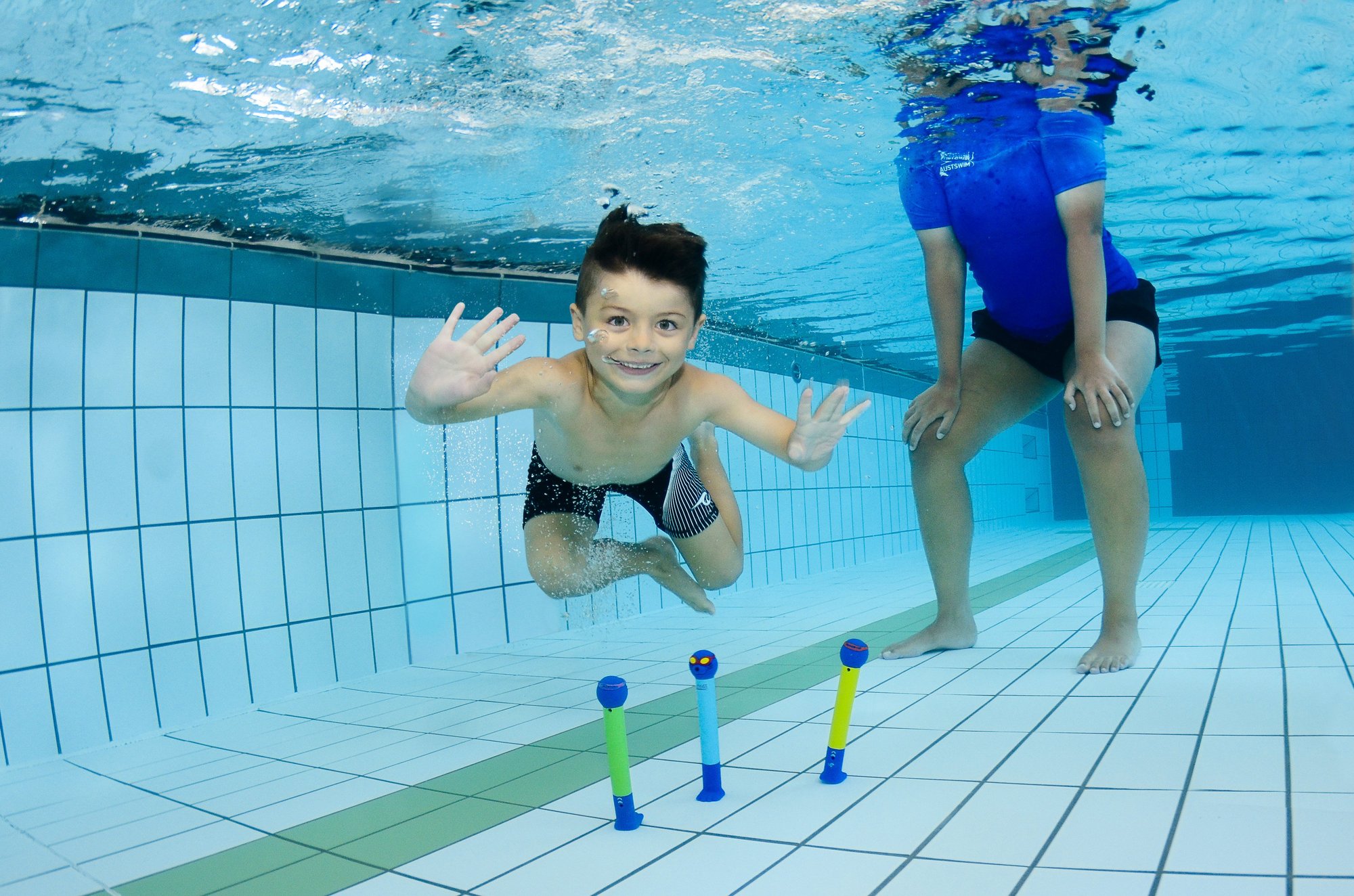
AUSTSWIM is calling for greater investment in the aquatic education workforce to help more Australians access swimming and water safety education throughout their lives, following today’s release of the National Drowning Report 2026 in Canberra.
Published by Royal Life Saving Australia in partnership with Surf Life Saving Australia, the report records 313 drowning deaths between 1 July 2025 and 30 June 2026, 10% above the ten-year average.
People aged 65 and over accounted for 95 deaths, almost one in three of all drowning deaths. The number of deaths in this age group was 30% above the ten-year average.
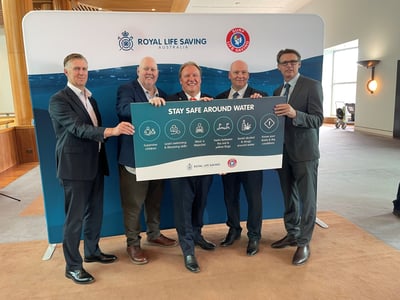
AUSTSWIM Chief Executive Officer Lisa Kinross, who attended the launch at Parliament House, said the findings reinforced the need to make swimming and water safety education accessible at every age.
“Every person lost to drowning leaves family, friends and a community grieving. Our thoughts are with everyone affected,” Ms Kinross said.
“Learning to swim and understanding water safety matter throughout life. Adults who missed out on lessons, or whose abilities have changed with age, need welcoming opportunities to learn and refresh their skills.”
As a national provider of swim teacher education, AUSTSWIM supports almost 28,000 licensed teachers. Its education pathways include specialist preparation for teaching adults and training for Aqua Exercise Instructors.
“Our contribution is to educate and support the teachers and instructors who work with people in their local communities,” Ms Kinross said.
“We need to help more teachers develop the skills to teach adults, and work with swim schools and aquatic centres to make those lessons available where they are needed.”
Ms Kinross said appropriately delivered aqua exercise programs could also offer older adults a supported way to participate in water-based activity and connect with others.
“Aqua classes can be a welcoming part of someone’s involvement in their local pool. They complement swimming and water safety education, but do not replace it. Water confidence needs to be supported by skills and an understanding of personal limitations.”
The report also identifies substantially higher drowning rates among residents of regional, remote and disadvantaged communities.
“Access depends on having affordable programs, suitable facilities and trained people to deliver them,” Ms Kinross said. “We want to work with governments, councils and aquatic providers to strengthen local teaching capacity and help close those gaps.”
AUSTSWIM acknowledges the leadership of Royal Life Saving Australia and Surf Life Saving Australia in producing the report and guiding a shared national response.
Read the National Drowning Report 2026 and explore AUSTSWIM’s Teacher of Adults and Aqua Exercise Instructor education pathways through the links below.
ENDS
Website links:
-
National Drowning Report https://www.royallifesaving.com.au/research-and-policy/drowning-research/national-drowning-reports;
-
Teacher of Adults https://austswim.com.au/extension-courses;
-
Aqua Exercise Instructor https://austswim.com.au/courses/course/aqua-exercise-instructor-course-aqua-public.
.jpg)
 11.10.2026
National Drowning Report 2025 - 357 Lives Lost
National Drowning Report 2025 records 357 drowning deaths, a 27% increase on the 10-year average, highlighting the need for water ...
Read More
11.10.2026
National Drowning Report 2025 - 357 Lives Lost
National Drowning Report 2025 records 357 drowning deaths, a 27% increase on the 10-year average, highlighting the need for water ...
Read More
-1.jpg?length=400&name=World%20Drowning%20Prevention%20Day%20-%20Become%20a%20Swim%20Teacher%20(1)-1.jpg) 11.10.2026
World Drowning Prevention Day 2025 - Anyone Can Drown
Learn how swimming lessons, active supervision, CPR and water safety can help prevent drowning on World Drowning Prevention Day 20...
Read More
11.10.2026
World Drowning Prevention Day 2025 - Anyone Can Drown
Learn how swimming lessons, active supervision, CPR and water safety can help prevent drowning on World Drowning Prevention Day 20...
Read More
 11.10.2026
Building Safer, more inclusive aquatic pathways in India
Discover how AUSTSWIM is helping build safer, more inclusive aquatic pathways in India through training, education and drowning pr...
Read More
11.10.2026
Building Safer, more inclusive aquatic pathways in India
Discover how AUSTSWIM is helping build safer, more inclusive aquatic pathways in India through training, education and drowning pr...
Read More